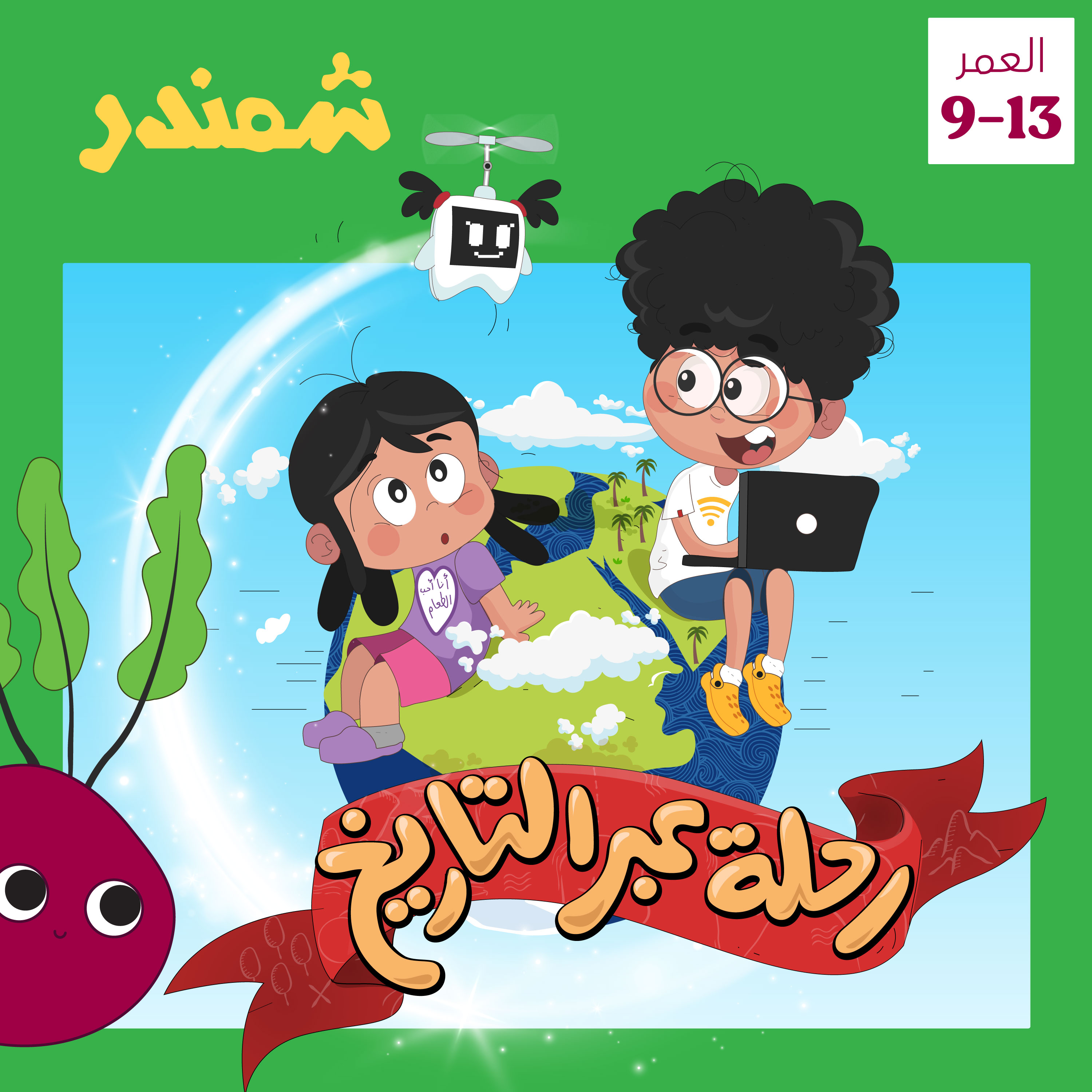
رحلة عبر التاريخ
→ كل البرامج

رحلة عبر التاريخ

Journey Across History
للأعمار
9–13
للمشتركين

مغامرة عبر الزمن لاكتشاف تاريخ بلادنا العربية.

استمعوا الآن

جرّبوا شمندر ٧ أيام مجانًا — ثم $4.99 شهريًا.

عن البرنامج

في موسمين، نخوض مع الطفلين ليث وليان رحلة في اثنتي عشرة دولة عربية، عبر مغامرة خيالية داخل عالم الذكاء الاصطناعي، برفقة رفيقتهما الذكية سوسن. وفي الموسم الثاني يواجهون عدوًّا جديدًا يريد محو التاريخ: الفايروس!

ماذا يتعلّمون؟
التاريخ · الجغرافيا · الفضول
الشخصيات

ليث

عمره ١٢ سنة، مولع بالتكنولوجيا والذكاء الاصطناعي، يحب المغامرة والتحدّي، ويحب أن يُظهر كل ما يعرفه من معلومات.

ليان

عمرها ٨ سنوات، لا تتوقف عن طرح الأسئلة، خفيفة الظل، تشارك ليث حبّ المغامرات… وتحبّ الطعام كثيرًا!

سوسن

مساعدة ذكاء اصطناعي على جهاز ليث، تتكلّم الفصحى وتصنع لهما مغامرات افتراضية في تاريخ البلدان العربية. ذكيّة جدًّا، لكنها قد تخطئ أحيانًا!

سلمى

الأمّ، صانعة أفلام أردنية تسافر لتصوير فيلمها في الدول العربية. تحبّ التخطيط… ولا تحبّ المفاجآت!

محطّات الرحلة

اضغطوا على أي حلقة لتكتشفوا المزيد عن البلد والمغامرة، مع سؤال نتحدّث عنه معًا بعد الاستماع.

الحلقة ١ · سلطنة عُمان: من يجد الصافرة؟
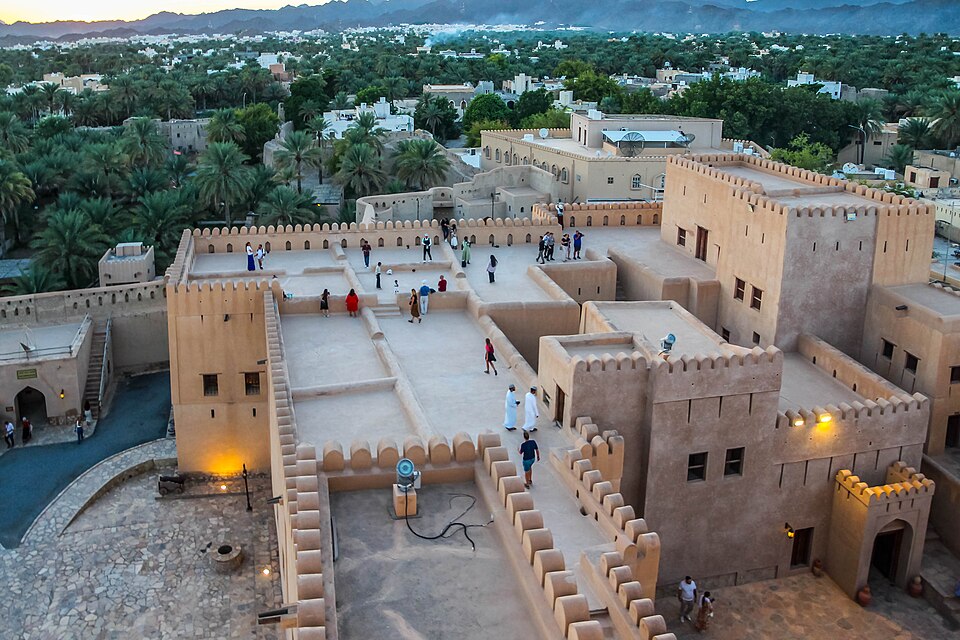
قلعة نزوى في سلطنة عُمان
قلعة نزوى · الصورة: Dr. Thomas Liptak / ويكيميديا كومنز (CC BY-SA 4.0)

أين نحن؟ سوق مطرح في مسقط، وقلعة نزوى، وشاطئ بحر العرب سنة ١٦٠٠.

المغامرة: صقر اسمه «أسامة» يحطّ على رأس ليان، وفي عنقه صافرة ذهبية تشبه صافرة بابا! يلحق به الجميع حتى قلعة نزوى، فيلتقون أحمد البحّار، ويتعرّفون على الثوّار العُمانيين الذين يقاومون الاحتلال البرتغالي.

هل تعلم؟
  • احتلّ البرتغاليون سواحل عُمان سنة ١٥٠٧ للسيطرة على طرق التجارة البحرية، وتحرّرت مسقط سنة ١٦٥٠ بقيادة الإمام سلطان بن سيف.
  • كانت عُمان حلقة وصل بحرية بين الصين والهند وأفريقيا، واشتهر بحّاروها بمهارتهم في صناعة السفن والملاحة.
  • بُنيت قلعة نزوى في القرن السابع عشر لحماية المدينة، وبرجها الدائري الضخم من أشهر معالم عُمان.

من المائدة: المجبوس والحلوى العُمانية.

لنتحدّث معًا

ليث يحبّ القراصنة، لكن أحمد يقول إن الرجال على الشاطئ ثوّار وليسوا قراصنة. ما الفرق بينهما برأيكم؟

الحلقة ٢ · الإمارات: بحثًا عن بعنوط
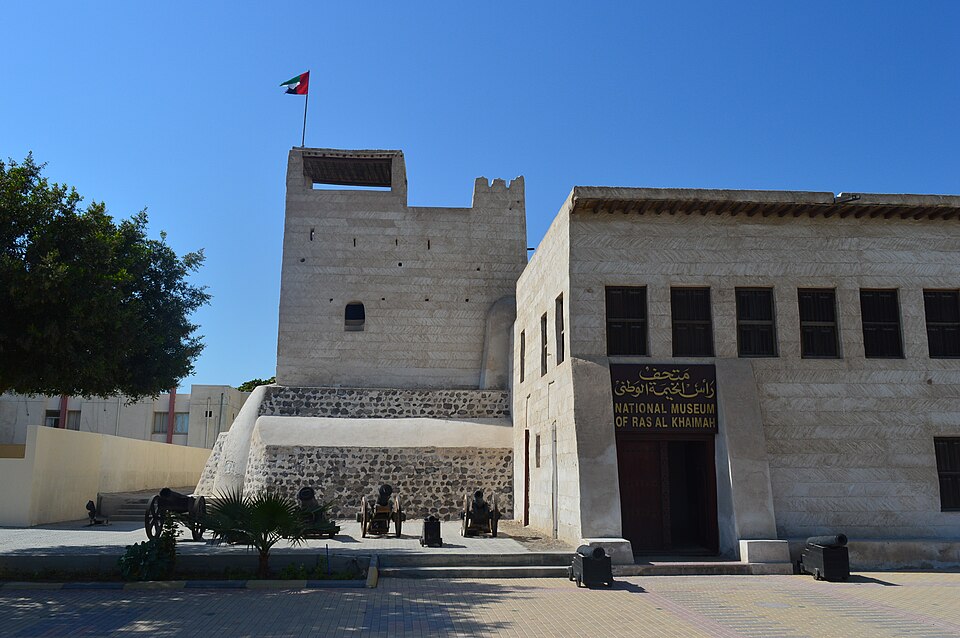
متحف رأس الخيمة الوطني
متحف رأس الخيمة الوطني · الصورة: Rankin73 / ويكيميديا كومنز (CC BY-SA 4.0)

أين نحن؟ متحف رأس الخيمة الوطني، ثم صحراء رأس الخيمة سنة ١٨١٠، وخور دبي في ستينيات القرن العشرين.

المغامرة: في المتحف تلفت انتباه ليث وليان صورة جمل حزين اسمه «بعنوط»، أُخذ مع البعثة البحرية البريطانية. تأخذهما سوسن إلى زمن القواسم، ثم إلى دبي الستينيات، حيث يلتقيان «مهير» حفيد بعنوط، ويساعدانه على حلّ لغز اختفاء جدّه.

هل تعلم؟
  • كانت رأس الخيمة تُعرف قديمًا باسم «جلفار»، واشتهرت بالتجارة وصيد اللؤلؤ.
  • اتّحدت الإمارات سنة ١٩٧١، وكانت رأس الخيمة آخر إمارة تنضمّ إلى الاتحاد في فبراير ١٩٧٢.
  • عثر علماء الآثار في جبل الفاية بالشارقة على من أقدم آثار الإنسان في الجزيرة العربية.
  • في الستينيات اكتُشف حقل «الفاتح» في دبي، ومنه صُدّرت أول شحنة نفط من الإمارة.
لنتحدّث معًا

ليان تعرف الإمارات السبع من أطلس المدرسة. هل تستطيعون تذكّرها كلّها؟ وماذا تخيّلتم أن يشعر به بعنوط بعيدًا عن بيته؟

الحلقة ٣ · السعودية: جولة مع تيماء
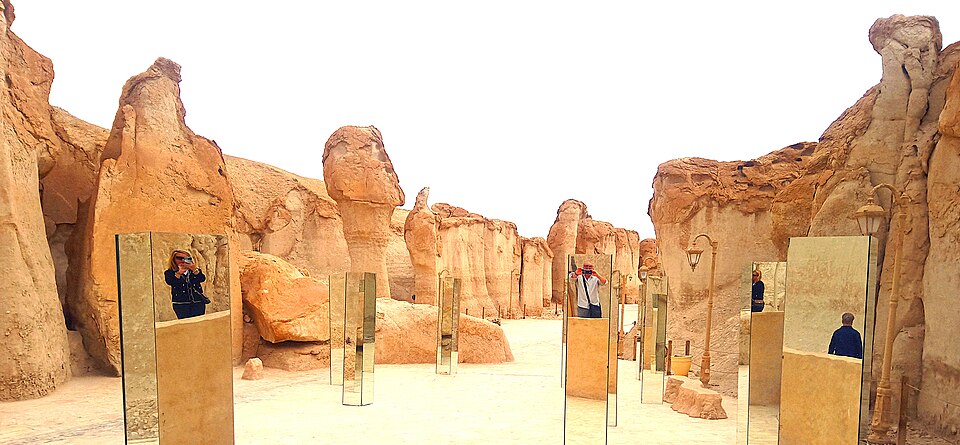
جبل قارة في الأحساء
جبل قارة في الأحساء · الصورة: Ondřej Havelka / ويكيميديا كومنز (CC BY 4.0)

أين نحن؟ واحة الأحساء وجبل قارة، ثم نجران ومكة والرياض.

المغامرة: يشتاق ليث وليان إلى بابا الذي ينقّب عن الآثار في الأحساء، فيطلبان من سوسن مغامرة في جبل قارة. هناك تلتقيهما «تيماء» وغنمتها المشاغبة «مرزوقة»، فتأخذهما في جولة سريعة عبر تاريخ المملكة، وتنتهي المغامرة بمفاجأة داخل مغارة الجبل.

هل تعلم؟
  • واحة الأحساء أكبر واحة طبيعية في العالم بحسب موسوعة غينيس، وفيها أكثر من مليونين ونصف مليون نخلة.
  • يبقى الجوّ داخل مغارات جبل قارة معتدلًا طوال العام، حتى في أيام الصيف الحارّة.
  • كانت نجران محطّة مهمّة على «طريق البخور» الذي سلكته القوافل بين الشرق والغرب.
  • وُحّدت المملكة العربية السعودية الحديثة سنة ١٩٣٢ على يد الملك عبد العزيز آل سعود.

من المائدة: تمر الأحساء، وليان تريد الكثير منه!

لنتحدّث معًا

ليان تراهن أنها تستطيع أن تمشي جبل قارة كلّه! ما أطول مسافة مشيتموها معًا كعائلة؟ وما الفرق بين الواحة والصحراء؟

الحلقة ٤ · العراق: الأميرة نانا وأول متحف في التاريخ
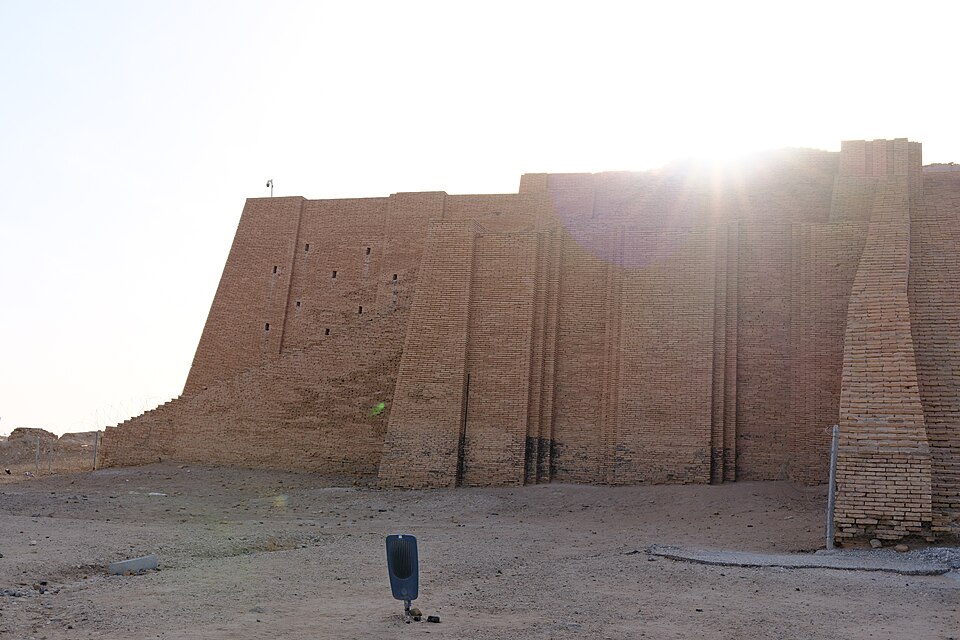
زقورة أور في العراق
زقورة أور · الصورة: Alli Khalil / ويكيميديا كومنز (CC BY-SA 4.0)

أين نحن؟ المتحف الوطني العراقي في بغداد، ثم مدينة أور القديمة، وبيت الحكمة في بغداد العباسية.

المغامرة: بابا مشغول بلغز قطعة أثرية مسروقة، وفي متحف بغداد يسمع ليث وليان أن أول متحف في التاريخ كان في العراق. تأخذهما سوسن إلى أور، حيث ترشدهما الأميرة «إنّيغالدي نانا» في متحفها، ثم يهربون معًا إلى بيت الحكمة.

هل تعلم؟
  • يُرجّح أن أول متحف في التاريخ أنشأته الأميرة البابلية إنّيغالدي نانا في مدينة أور نحو سنة ٥٣٠ قبل الميلاد.
  • «لعبة أور الملكية» من أقدم ألعاب الطاولة في العالم، ويزيد عمرها على ٤٥٠٠ سنة.
  • الملك أورنمو وضع واحدًا من أقدم القوانين المكتوبة التي عرفها البشر.
  • كان بيت الحكمة في بغداد مركزًا للترجمة والعلوم، وارتبط به اسم الخوارزمي أبي علم الجبر، ثم دمّره المغول سنة ١٢٥٨.

من المائدة: سمك المسكوف من نهر دجلة، والدولمة.

لنتحدّث معًا

لماذا يجب أن تبقى الآثار في بلدها؟ ولو أردتم صنع متحف صغير في غرفتكم مثل ليان، ماذا ستضعون فيه؟

الحلقة ٥ · الأردن: صخر النحّات

الخزنة في البتراء
الخزنة في البتراء · الصورة: Vyacheslav Argenberg / ويكيميديا كومنز (CC BY 4.0)

أين نحن؟ البتراء في القرن الأول الميلادي، ثم عين غزال بين عمّان والزرقاء.

المغامرة: بينما تبحث ماما وصديقتها سهام عن أماكن لتصوير الفيلم في البتراء، يجد ليث وليان نقشًا نبطيًا قديمًا. تأخذهما سوسن إلى زمن الأنباط، فيلتقيان «صخر» الذي يحلم أن يصبح نحّاتًا رغم معارضة والده، ويرافقانه إلى عين غزال ليبدأ تحقيق حلمه.

هل تعلم؟
  • نحت الأنباط مدينة البتراء في الصخر الوردي، وهي اليوم من عجائب الدنيا السبع الجديدة.
  • حفر الأنباط قنوات وخزانات لجمع مياه الأمطار، فزرعوا أرضهم في قلب الصحراء.
  • غابت البتراء عن العالم قرونًا طويلة، حتى وصل إليها الرحّالة السويسري يوهان لودفيغ بوركهارت سنة ١٨١٢.
  • تماثيل عين غزال المصنوعة من الجص يزيد عمرها على ٩٠٠٠ سنة، وهي من أقدم التماثيل البشرية الكبيرة في العالم.

من المائدة: المنسف أولًا… ثم البوظة!

لنتحدّث معًا

صخر يحلم أن يصبح نحّاتًا، وليث يغيّر حلمه كل يوم! ماذا تحلمون أن تصبحوا عندما تكبرون، ولماذا؟

الحلقة ٦ · فلسطين: سرّ السمنة البلدية
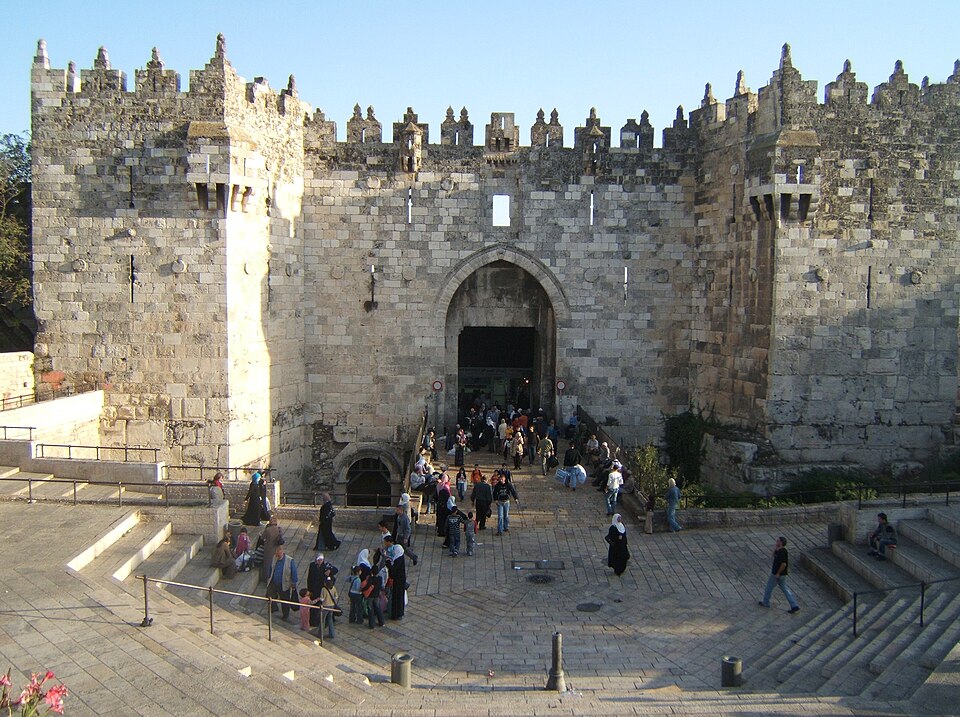
باب العامود في القدس
باب العامود في القدس · الصورة: DMY / ويكيميديا كومنز (CC BY 3.0)

أين نحن؟ البلدة القديمة في القدس نهاية عام ١٩٤٨، ثم قرية الدوايمة قرب الخليل.

المغامرة: طبق سمنة بلدية من الخليل يفتح سؤالًا كبيرًا: لماذا لا نستطيع زيارة فلسطين بسهولة؟ لأول مرة تدخل ماما المغامرة، فيلتقون عند باب العامود «تيتا فاطمة» الخليلية التي تبيع السمنة والدبس، ويزورون قرية الدوايمة، قرية جدّة ماما، ليتعرّفوا على حكاية النكبة.

هل تعلم؟
  • يحيط بالبلدة القديمة في القدس سور ضخم بناه السلطان العثماني سليمان القانوني في القرن السادس عشر، ومن أشهر أبوابه باب العامود وباب الساهرة.
  • في نكبة عام ١٩٤٨ هُجّر مئات الآلاف من الفلسطينيين من مدنهم وقراهم، وما زالت عائلات كثيرة تحتفظ بمفاتيح بيوتها حتى اليوم.
  • يُخبز خبز الطابون في فرن من الطين يُوقَد بالحطب، ومنه يُصنع طبق المسخّن.

من المائدة: سمنة بلدية مع الخبز الساخن والسكر، والمسخّن، ومناقيش الزيت والزعتر.

لنتحدّث معًا

تقول ماما إن حكايات الجدّات أغلى من أي معلومة على الإنترنت. اسألوا جدّتكم أو جدّكم: ما الحكاية التي يتذكّرانها من طفولتهما؟

الموسم الثاني

عدوّ جديد يظهر: «الفايروس» الذي يريد محو تاريخنا! يواجهه ليث وليان مع سوسن في ستّ دول عربية، من لبنان إلى السودان.

الحلقة ١ · لبنان: يوسف ومعمول الاستقلال
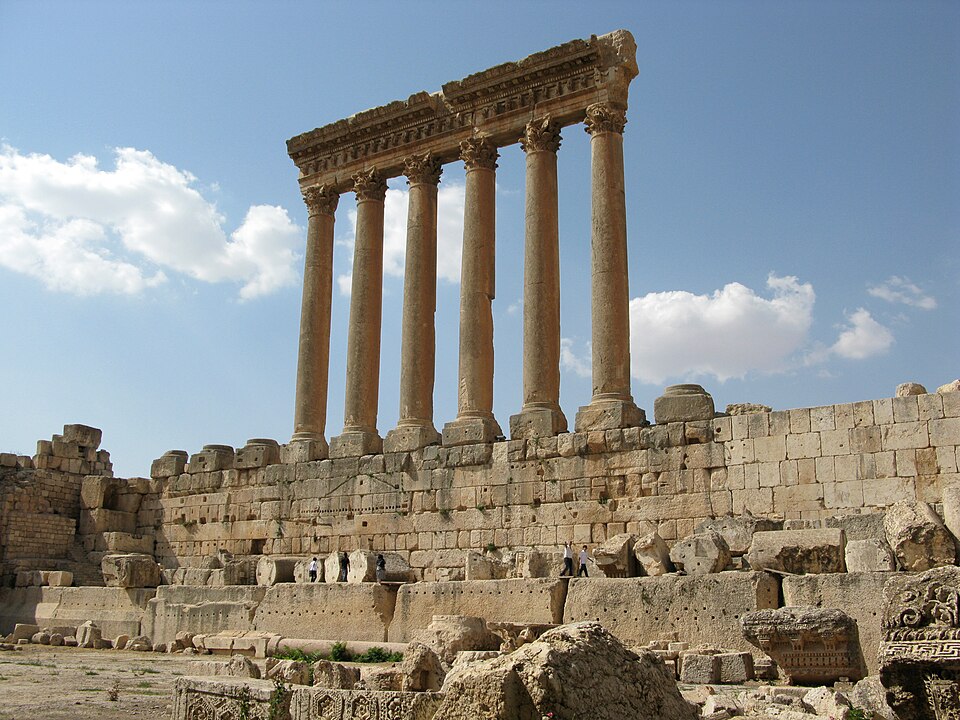
معبد جوبيتر في بعلبك
معبد جوبيتر في بعلبك · الصورة: Vyacheslav Argenberg / ويكيميديا كومنز (CC BY 4.0)

أين نحن؟ بيروت يوم ٢٢ نوفمبر ١٩٤٣، ثم ميناء صور زمن الفينيقيين، ومعبد جوبيتر في بعلبك، ودير مار أنطونيوس قزحيا.

المغامرة: ليث يريد لبنان وليان تريد موريتانيا، فيتّفقان بالحوار على لبنان أولًا لمساعدة ماما في بحث فيلمها الجديد. في بيروت يحتفل الناس بالاستقلال، ويقدّم لهما «يوسف» المعمول، ثم يرافقهما إلى ميناء صور حيث يهديهم بحّار فينيقي كيسًا من صباغ الأرجوان… سيكون مفتاح كشف عدوّ جديد وغامض!

هل تعلم؟
  • استقلّ لبنان عن الانتداب الفرنسي يوم ٢٢ نوفمبر ١٩٤٣.
  • استخرج الفينيقيون صباغ الأرجوان من صدفة اسمها «الموريكس»، ويُعتقد أن اسمهم مشتقّ من كلمة يونانية تعني اللون الأرجواني.
  • الأبجدية الفينيقية من أوائل الكتابات التي جعلت لكل حرف صوتًا، وأثّرت في لغات كثيرة.
  • شجرة الأرز على علم لبنان، وهي ترمز إلى الصمود والخلود.

من المائدة: المعمول، والتبّولة، والكبّة النيّة، والبطاطا الحارّة.

لنتحدّث معًا

حلّ ليث وليان خلافهما بالحوار لا بالصياح. كيف تتّفقون في البيت عندما تختلفون على شيء؟

الحلقة ٢ · موريتانيا: جويريّة النعامة التي تعرف كلّ شيء

مشهد من ولاية آدرار في موريتانيا
ولاية آدرار في موريتانيا · الصورة: Radosław Botev / ويكيميديا كومنز (CC BY 3.0)

أين نحن؟ ساحة الاستقلال والسوق التقليدي في نواكشوط، ثم هضبة آغريجيت في العصر الحجري، ومملكة موريطانيا الأمازيغية القديمة.

المغامرة: ليان خائفة من عودة الفايروس، لكن الفضول ينتصر. في سوق نواكشوط يلتقيان «جويريّة»، نعامة مغرورة قليلًا تقول إنها تعرف كلّ شيء، فترافقهما عبر العصور. وعندما يهاجم الفايروس من جديد، تنقذهم كلمة سرّية معناها «أشعّة الشمس».

هل تعلم؟
  • يتحدّث أهل موريتانيا العربية الفصحى واللهجة الحسّانية، وهناك لغات وطنية أخرى مثل البولار والسونينكي والولوف.
  • تعود رسومات الصخور في موريتانيا إلى أكثر من ٤٠٠٠ عام، وفيها صور للنعام!
  • يُلقَّب الطوارق بـ«الرجال الزرق» لأن ملابسهم المصبوغة باللون النيلي كانت تترك لونًا أزرق على بشرتهم.
  • «آردين» آلة موسيقية وترية تقليدية تعزف عليها النساء فقط.
  • استقلّت موريتانيا يوم ٢٨ نوفمبر ١٩٦٠.
لنتحدّث معًا

كانت ليان خائفة، لكنها خاضت المغامرة. ما الشيء الذي فعلتموه رغم أنكم كنتم خائفين؟

الحلقة ٣ · البحرين: صقوع واللؤلؤة

التلّ الملكي في مدافن دلمون بالبحرين
تلّ ملكي من مدافن دلمون · الصورة: Melanie Münzner, Think Heritage / ويكيميديا كومنز (CC BY-SA 1.0)

أين نحن؟ حضارة دلمون قبل خمسة آلاف عام ومعبد الدراز، ثم مصائد اللؤلؤ، ومدافن تايلوس، والمنامة.

المغامرة: على شاطئ دلمون يجد ليث وليان «صقوع»، محارة حزينة تظنّ أنها بلا فائدة لأنها لم تصنع لؤلؤة واحدة في حياتها. يأخذانه معهما في رحلة عبر تاريخ البحرين… وفي النهاية يكتشف صقوع مفاجأة كانت تنمو في داخله طوال الوقت!

هل تعلم؟
  • البحرين أصغر الدول العربية مساحة.
  • كانت دلمون مركزًا تجاريًا يربط بين بلاد الرافدين ووادي السند، واشتهرت بلؤلؤها.
  • سمّى الآشوريون لؤلؤ دلمون «عيون السمك».
  • تتدفّق ينابيع مياه عذبة تحت سطح البحر قرب مصائد اللؤلؤ، ويغوص صيّادو اللؤلؤ إلى أعماق قد تصل إلى ٣٠ مترًا.
  • تحتاج اللؤلؤة الطبيعية سنتين على الأقلّ لتتكوّن.
  • استقلّت البحرين يوم ١٥ أغسطس ١٩٧١.
لنتحدّث معًا

ظنّ صقوع أنه فاشل، لكنه كان يصنع لؤلؤته بهدوء. ما الشيء الذي تتحسّنون فيه شيئًا فشيئًا؟

الحلقة ٤ · ليبيا: مختار وتهويدة الفايروس
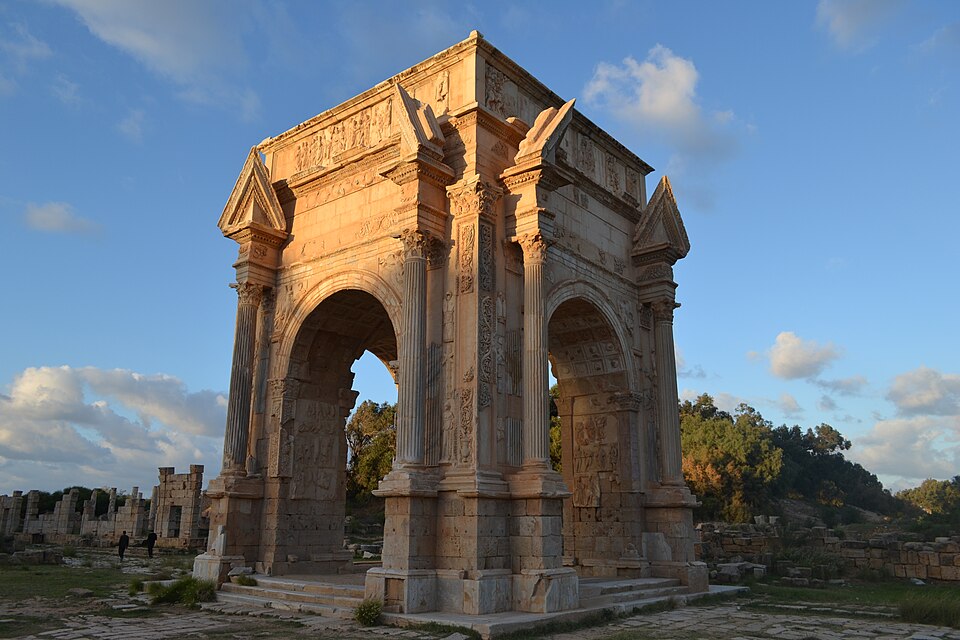
قوس سبتيموس سيفيروس في لبدة الكبرى
قوس سبتيموس سيفيروس في لبدة الكبرى · الصورة: Aymen Aiblu / ويكيميديا كومنز (CC BY-SA 4.0)

أين نحن؟ ميدان الشهداء في طرابلس، ثم موقع بئر دوفان في الصحراء، ومدينة لبدة الكبرى، وقورينا (شحّات)، وزويلة.

المغامرة: يعود بابا من التنقيب بأدوات صنعها إنسان العصر الحجري، فتنطلق المغامرة إلى ليبيا. هناك يلتقيان «مختار» الذي سمّاه والداه تيمّنًا بالبطل عمر المختار، ويعرف كثيرًا عن بلده. وعندما يعثر عليهم الفايروس، يغنّي له مختار تهويدة ليبية فينام!

هل تعلم؟
  • ليبيا رابع أكبر دولة في أفريقيا والعالم العربي.
  • أسّس الفينيقيون مدينة لبدة الكبرى محطّةً تجارية، ثم صارت أكبر المدن الرومانية في ليبيا، بقوس النصر والمسرح والحمّامات.
  • قورينا (شحّات) في الجبل الأخضر أول مستوطنة أسّسها الإغريق في المنطقة، سنة ٦٣١ قبل الميلاد.
  • قاوم الليبيون الاحتلال الإيطالي الذي بدأ سنة ١٩١١، ومن أشهر أبطال المقاومة الشيخ عمر المختار.
لنتحدّث معًا

سُمّي مختار على اسم بطل. هل تعرفون قصّة أسمائكم، ولماذا اختارها أهلكم؟

الحلقة ٥ · اليمن: أروى الوعلة وسدّ مأرب

سدّ مأرب في اليمن
سدّ مأرب اليوم · الصورة: Bernard Gagnon / ويكيميديا كومنز (CC BY-SA 3.0)

أين نحن؟ قرية زراعية من العصر البرونزي، ثم مملكة سبأ وسدّ مأرب، ومسجد ومدرسة الأشرفية في تعز، وميدان السبعين في صنعاء.

المغامرة: ليث متعَب ويسعل، لكنه لا يريد تفويت الرحلة. يلتقيان «أروى»، أنثى الوعل اليمني، التي تريد البقاء في كلّ عصر تزوره! لكن الفايروس يسيطر على أروى وقرنيها القويّين، فتبذل سوسن كلّ طاقتها لحمايتهم.

هل تعلم؟
  • ابتكر اليمنيون القدماء المدرّجات الزراعية على الهضاب منذ آلاف السنين.
  • الوعل اليمني رمز من رموز اليمن، يمثّل القوّة والجمال.
  • روى سدّ مأرب في مملكة سبأ أكثر من ٧٢ كيلومترًا مربعًا من الأراضي، وانهار نحو سنة ٥٧٥ للميلاد.
  • اهتمّ ملوك الدولة الرسولية بالعلم، فبنوا المدارس والمساجد مثل الأشرفية في تعز.
  • توحّد شمال اليمن وجنوبه يوم ٢٢ مايو ١٩٩٠.
لنتحدّث معًا

أرادت أروى أن تعيش في كلّ زمن زارته! لو استطعتم زيارة زمن واحد من التاريخ، أيّ زمن تختارون، ولماذا؟

الحلقة ٦ · السودان: ظريف التمساح الذي يخاف التماسيح

أهرامات مروي في السودان
أهرامات مروي · الصورة: Laurent de Walick / ويكيميديا كومنز (CC BY 2.0)

أين نحن؟ شلّال السبلوقة شمال الخرطوم، ثم مدينة كرمة، ومروي عاصمة مملكة كوش، وقلعة دنقلا، وسنّار، والخرطوم.

المغامرة: ماما ستصوّر فيلمها في السودان، وليان قلقة على تماسيح النيل بسبب التلوّث. على ضفاف النهر يلتقيان «ظريف»، تمساحًا صغيرًا… يخاف من التماسيح! يرافقهما عبر تاريخ السودان، ويلتقون الملكة «أمانيريناس»، وفي اللحظة الحاسمة يكتشف ظريف شجاعته.

هل تعلم؟
  • في الخرطوم يلتقي النيل الأبيض بالنيل الأزرق ليشكّلا نهر النيل.
  • تبدّل التماسيح أسنانها باستمرار طوال حياتها.
  • في السودان أكثر من ٢٥٠ هرمًا، وهي أشدّ انحدارًا من أهرامات مصر.
  • «كنداكة» لقب الملكات الحاكمات في مملكة كوش، وقادت الكنداكة أمانيريناس جيوشها ضدّ الرومان.
  • مملكة الفونج، أو «السلطنة الزرقاء»، أول دولة عربية إسلامية في السودان.
لنتحدّث معًا

كان ظريف يخاف مما يشبهه، ثم اكتشف أنه قويّ. وما الذي نستطيع فعله لنحمي أنهارنا من التلوّث؟

جرّبوا شمندر ٧ أيام مجانًا

بلا أي التزام — ثم $4.99 شهريًا، ويمكنكم الإلغاء في أي وقت.

ابدؤوا التجربة المجانية
Journey Across History
← All shows

Journey Across History

Ages
9–13
For subscribers

A time-travelling adventure through the history of the Arab world.

Listen now

Try Shamandar free for 7 days — then $4.99/month.

About the show

Across two seasons, we join Laith and Layan on a journey through twelve Arab countries, in an imaginative adventure inside the world of artificial intelligence, with their clever companion Sawsan. In season two they face a new enemy who wants to erase history: the Virus!

What they learn
History · Geography · Curiosity
Meet the characters

Laith

12 years old, mad about technology and AI, loves adventure and a challenge, and loves showing off everything he knows.

Layan

8 years old, never stops asking questions, funny, shares Laith's love of adventure… and really loves food!

Sawsan

The AI assistant on Laith's tablet. She speaks formal Arabic and builds virtual adventures through Arab history. Very clever, but she sometimes gets things wrong!

Salma

Their mum, a Jordanian filmmaker travelling the region to shoot her film. She loves a good plan… and doesn't love surprises!

Stops on the journey

Tap an episode to explore the country and the adventure, plus a question to talk about together after listening.

Episode 1 · Oman: Who Will Find the Whistle?

Nizwa Fort in Oman
Nizwa Fort · Photo: Dr. Thomas Liptak / Wikimedia Commons (CC BY-SA 4.0)

Where are we? Mutrah Souq in Muscat, Nizwa Fort, and the shore of the Arabian Sea in the year 1600.

The adventure: A falcon called Osama lands on Layan's head, wearing a golden whistle just like Dad's! The family chases it all the way to Nizwa Fort, meets Ahmed the sailor, and discovers the Omani rebels fighting the Portuguese occupation.

Did you know?
  • The Portuguese occupied Oman's coast in 1507 to control the sea trade routes. Muscat was freed in 1650, led by Imam Sultan bin Saif.
  • Oman was a sea link between China, India and Africa, and its sailors were famous for their ship-building and navigation skills.
  • Nizwa Fort was built in the 17th century to protect the city, and its huge round tower is one of Oman's best-known landmarks.

On the table: Majboos and Omani halwa.

Talk about it together

Laith loves pirates, but Ahmed says the men on the shore are rebels, not pirates. What do you think the difference is?

Episode 2 · UAE: Looking for Ba'nout

National Museum of Ras Al Khaimah
National Museum of Ras Al Khaimah · Photo: Rankin73 / Wikimedia Commons (CC BY-SA 4.0)

Where are we? The National Museum of Ras Al Khaimah, then the desert of Ras Al Khaimah in 1810, and Dubai Creek in the 1960s.

The adventure: At the museum, Laith and Layan spot a picture of a sad camel called Ba'nout, taken away with a British naval mission. Sawsan whisks them back to the time of the Qawasim, then to 1960s Dubai, where they meet Muhair, Ba'nout's grandson, and help him solve the mystery of his grandfather's disappearance.

Did you know?
  • Ras Al Khaimah was once known as Julfar, famous for trade and pearl diving.
  • The UAE was founded in 1971, and Ras Al Khaimah was the last emirate to join, in February 1972.
  • Archaeologists found some of the oldest traces of humans in Arabia at Jebel Faya in Sharjah.
  • In the 1960s Dubai discovered the Fateh oil field, which sent the emirate's first oil abroad.
Talk about it together

Layan learned the seven emirates from her school atlas. Can you name them all? And how do you think Ba'nout felt so far from home?

Episode 3 · Saudi Arabia: A Tour with Tayma

Jabal Qarah in Al-Ahsa
Jabal Qarah, Al-Ahsa · Photo: Ondřej Havelka / Wikimedia Commons (CC BY 4.0)

Where are we? The Al-Ahsa oasis and Jabal Qarah, then Najran, Makkah and Riyadh.

The adventure: Missing Dad, who is digging in Al-Ahsa, Laith and Layan ask Sawsan for an adventure at Jabal Qarah. There they meet Tayma and her mischievous sheep Marzouqa, who take them on a whirlwind tour of the kingdom's history, ending with a surprise deep inside the mountain's caves.

Did you know?
  • Al-Ahsa is the largest natural oasis in the world according to Guinness World Records, with more than two and a half million palm trees.
  • Inside the caves of Jabal Qarah it stays mild all year round, even on the hottest summer days.
  • Najran was an important stop on the Incense Route, travelled by caravans between East and West.
  • The modern Kingdom of Saudi Arabia was united in 1932 by King Abdulaziz Al Saud.

On the table: Al-Ahsa dates, and Layan wants lots of them!

Talk about it together

Layan bets she can walk all of Jabal Qarah! What's the longest walk you've done together as a family? And what's the difference between an oasis and a desert?

Episode 4 · Iraq: Princess Nana and the First Museum in History

The Ziggurat of Ur in Iraq
The Ziggurat of Ur · Photo: Alli Khalil / Wikimedia Commons (CC BY-SA 4.0)

Where are we? The Iraq Museum in Baghdad, then the ancient city of Ur, and the House of Wisdom in Abbasid Baghdad.

The adventure: Dad is busy with the mystery of a stolen artefact, and at the Baghdad museum Laith and Layan hear that the first museum in history was in Iraq. Sawsan takes them to Ur, where Princess Ennigaldi-Nanna shows them around her museum, before they all escape to the House of Wisdom.

Did you know?
  • The first museum in history is thought to have been created by the Babylonian princess Ennigaldi-Nanna in Ur, around 530 BC.
  • The Royal Game of Ur is one of the oldest board games in the world, more than 4,500 years old.
  • King Ur-Nammu wrote down one of the oldest known sets of laws in human history.
  • Baghdad's House of Wisdom was a centre for translation and science linked to al-Khwarizmi, the father of algebra. It was destroyed by the Mongols in 1258.

On the table: Masgouf fish from the Tigris, and dolma.

Talk about it together

Why should ancient treasures stay in their home country? If you made a tiny museum in your bedroom like Layan, what would you put in it?

Episode 5 · Jordan: Sakhr the Sculptor

Al-Khazneh (the Treasury) in Petra
Al-Khazneh, Petra · Photo: Vyacheslav Argenberg / Wikimedia Commons (CC BY 4.0)

Where are we? Petra in the 1st century AD, then Ain Ghazal, between Amman and Zarqa.

The adventure: While Mum and her friend Siham scout Petra for film locations, Laith and Layan find an ancient Nabataean inscription. Sawsan sends them back to Nabataean times, where they meet Sakhr, who dreams of being a sculptor even though his father disapproves, and they go with him to Ain Ghazal to start chasing his dream.

Did you know?
  • The Nabataeans carved the city of Petra into pink rock, and today it is one of the New Seven Wonders of the World.
  • The Nabataeans dug channels and cisterns to collect rainwater, so they could farm in the middle of the desert.
  • Petra was hidden from the outside world for centuries, until the Swiss traveller Johann Ludwig Burckhardt reached it in 1812.
  • The plaster statues of Ain Ghazal are more than 9,000 years old, among the oldest large human statues in the world.

On the table: Mansaf first… then ice cream!

Talk about it together

Sakhr dreams of being a sculptor, and Laith changes his dream every day! What do you dream of being when you grow up, and why?

Episode 6 · Palestine: The Secret of the Samneh

Damascus Gate in Jerusalem
Damascus Gate, Jerusalem · Photo: DMY / Wikimedia Commons (CC BY 3.0)

Where are we? The Old City of Jerusalem at the end of 1948, then the village of al-Dawayima near Hebron.

The adventure: A plate of homemade samneh (ghee) from Hebron raises a big question: why can't we easily visit Palestine? For the first time Mum joins the adventure. At Damascus Gate they meet Teta Fatima from Hebron, who sells samneh and grape molasses, then visit al-Dawayima, Mum's grandmother's village, to learn the story of the Nakba.

Did you know?
  • Jerusalem's Old City is surrounded by a huge wall built by the Ottoman Sultan Suleiman the Magnificent in the 16th century. Damascus Gate and Herod's Gate are among its best-known gates.
  • In the Nakba of 1948, hundreds of thousands of Palestinians were forced from their towns and villages, and many families still keep the keys to their homes today.
  • Taboon bread is baked in a clay oven fired with wood, and it's the bread used to make musakhan.

On the table: Samneh with warm bread and sugar, musakhan, and za'atar manakish.

Talk about it together

Mum says grandmothers' stories are worth more than anything on the internet. Ask a grandparent: what story do they remember from when they were little?

Season 2

A new enemy appears: the Virus, who wants to erase our history! Laith and Layan face it with Sawsan across six Arab countries, from Lebanon to Sudan.

Episode 1 · Lebanon: Youssef and the Independence Maamoul

The Temple of Jupiter in Baalbek
Temple of Jupiter, Baalbek · Photo: Vyacheslav Argenberg / Wikimedia Commons (CC BY 4.0)

Where are we? Beirut on 22 November 1943, then the Phoenician port of Tyre, the Temple of Jupiter in Baalbek and the Monastery of Mar Antonios Qozhaya.

The adventure: Laith wants Lebanon, Layan wants Mauritania, so they talk it through and agree on Lebanon first, to help Mum research her new film. In Beirut people are celebrating independence, and Youssef shares his mum's maamoul. He joins them in Phoenician Tyre, where a sailor gives them a bag of purple dye… which turns out to be the key to unmasking a mysterious new enemy!

Did you know?
  • Lebanon became independent from the French Mandate on 22 November 1943.
  • The Phoenicians made purple dye from a sea snail called murex, and their name is thought to come from a Greek word for purple.
  • The Phoenician alphabet was one of the first to give each letter a sound, and it influenced many other languages.
  • The cedar tree on Lebanon's flag stands for strength and endurance.

On the table: Maamoul, tabbouleh, kibbeh nayyeh and spicy potatoes.

Talk about it together

Laith and Layan settled their argument by talking, not shouting. How do you sort things out at home when you disagree?

Episode 2 · Mauritania: Juwayriya, the Ostrich Who Knows Everything

Landscape of Adrar, Mauritania
Adrar, Mauritania · Photo: Radosław Botev / Wikimedia Commons (CC BY 3.0)

Where are we? Independence Square and the old market in Nouakchott, then the Agrijit plateau in the Stone Age and the ancient Amazigh kingdom of Mauretania.

The adventure: Layan is scared the Virus will come back, but curiosity wins. At the Nouakchott market they meet Juwayriya, a slightly show-off ostrich who says she knows everything, and she travels with them through the ages. When the Virus strikes again, a secret word meaning "sunshine" saves the day.

Did you know?
  • People in Mauritania speak Arabic and the Hassaniya dialect, along with other national languages such as Pulaar, Soninke and Wolof.
  • Rock drawings in Mauritania are more than 4,000 years old, and some of them show ostriches!
  • The Tuareg are called the "blue men" because their indigo-dyed clothes left a blue tint on their skin.
  • The ardin is a traditional stringed instrument played only by women.
  • Mauritania became independent on 28 November 1960.
Talk about it together

Layan was scared, but she went on the adventure anyway. What's something you did even though you felt scared?

Episode 3 · Bahrain: Sqoo' and the Pearl

A royal mound among the Dilmun burial mounds in Bahrain
A royal Dilmun burial mound · Photo: Melanie Münzner, Think Heritage / Wikimedia Commons (CC BY-SA 1.0)

Where are we? The Dilmun civilisation 5,000 years ago and the Diraz temple, then the pearl beds, the Tylos burial site and Manama.

The adventure: On the shore of Dilmun, Laith and Layan find Sqoo', a sad oyster who thinks he's useless because he has never made a single pearl. They take him along on a journey through Bahrain's history… and in the end Sqoo' discovers a surprise that was growing inside him all along!

Did you know?
  • Bahrain is the smallest Arab country by area.
  • Dilmun was a trading hub between Mesopotamia and the Indus Valley, famous for its pearls.
  • The Assyrians called Dilmun's pearls "fish eyes".
  • Freshwater springs bubble up under the sea near the pearl beds, and pearl divers could dive as deep as 30 metres.
  • A natural pearl takes at least two years to form.
  • Bahrain became independent on 15 August 1971.
Talk about it together

Sqoo' thought he was a failure, but he was quietly making his pearl. What's something you're getting a little better at every day?

Episode 4 · Libya: Mukhtar and the Virus Lullaby

The Arch of Septimius Severus in Leptis Magna
Arch of Septimius Severus, Leptis Magna · Photo: Aymen Aiblu / Wikimedia Commons (CC BY-SA 4.0)

Where are we? Martyrs' Square in Tripoli, then the Stone Age site of Bir Dufan, Leptis Magna, Cyrene (Shahhat) and Zuwayla.

The adventure: Dad comes home from a dig with tools made by Stone Age people, and the adventure heads to Libya. There they meet Mukhtar, named after the hero Omar al-Mukhtar, who knows lots about his country. When the Virus finds them, Mukhtar sings it a Libyan lullaby… and it falls asleep!

Did you know?
  • Libya is the fourth-largest country in Africa and in the Arab world.
  • The Phoenicians founded Leptis Magna as a trading post; it later became the biggest Roman city in Libya, with a triumphal arch, a theatre and public baths.
  • Cyrene (Shahhat), in the Green Mountain, was the first Greek settlement in the region, founded in 631 BC.
  • Libyans resisted the Italian occupation that began in 1911, and Omar al-Mukhtar is one of the resistance's best-known heroes.
Talk about it together

Mukhtar was named after a hero. Do you know the story of your name, and why your family chose it?

Episode 5 · Yemen: Arwa the Ibex and the Marib Dam

The Marib Dam in Yemen
The Marib Dam today · Photo: Bernard Gagnon / Wikimedia Commons (CC BY-SA 3.0)

Where are we? A Bronze Age farming village, then the Kingdom of Saba and the Marib Dam, the Ashrafiya Mosque and School in Taiz, and Al-Sabeen Square in Sana'a.

The adventure: Laith is tired and coughing, but he doesn't want to miss the trip. They meet Arwa, a female Yemeni ibex who wants to stay in every era she visits! But the Virus takes control of Arwa and her powerful horns, and Sawsan uses all her energy to protect them.

Did you know?
  • Ancient Yemenis invented terraced farming on the hillsides thousands of years ago.
  • The Yemeni ibex is a symbol of Yemen, standing for strength and beauty.
  • The Marib Dam of the Kingdom of Saba watered more than 72 square kilometres of land, and collapsed around 575 AD.
  • The Rasulid kings loved learning and built schools and mosques, like the Ashrafiya in Taiz.
  • North and South Yemen united on 22 May 1990.
Talk about it together

Arwa wanted to live in every time she visited! If you could visit one moment in history, which would you choose, and why?

Episode 6 · Sudan: Zarif, the Crocodile Who's Scared of Crocodiles

The pyramids of Meroë in Sudan
The pyramids of Meroë · Photo: Laurent de Walick / Wikimedia Commons (CC BY 2.0)

Where are we? The Sabaloka waterfall north of Khartoum, then Kerma, Meroë (capital of the Kingdom of Kush), Old Dongola, Sennar and Khartoum.

The adventure: Mum is going to film in Sudan, and Layan is worried about the Nile crocodiles because of pollution. By the river they meet Zarif, a little crocodile… who is scared of crocodiles! He travels with them through Sudan's history, they meet Queen Amanirenas, and at the crucial moment Zarif discovers how brave he really is.

Did you know?
  • In Khartoum, the White Nile and the Blue Nile meet to form the River Nile.
  • Crocodiles keep replacing their teeth throughout their lives.
  • Sudan has more than 250 pyramids, and they are steeper than Egypt's.
  • "Kandake" was the title of the ruling queens of Kush, and Kandake Amanirenas led her armies against the Romans.
  • The Funj Sultanate, also called the Blue Sultanate, was the first Arab Islamic state in Sudan.
Talk about it together

Zarif was scared of creatures just like him, then found out how strong he was. And what can we do to protect our rivers from pollution?

Try Shamandar free for 7 days

No commitment — then $4.99/month. Cancel anytime.

Start your free trial